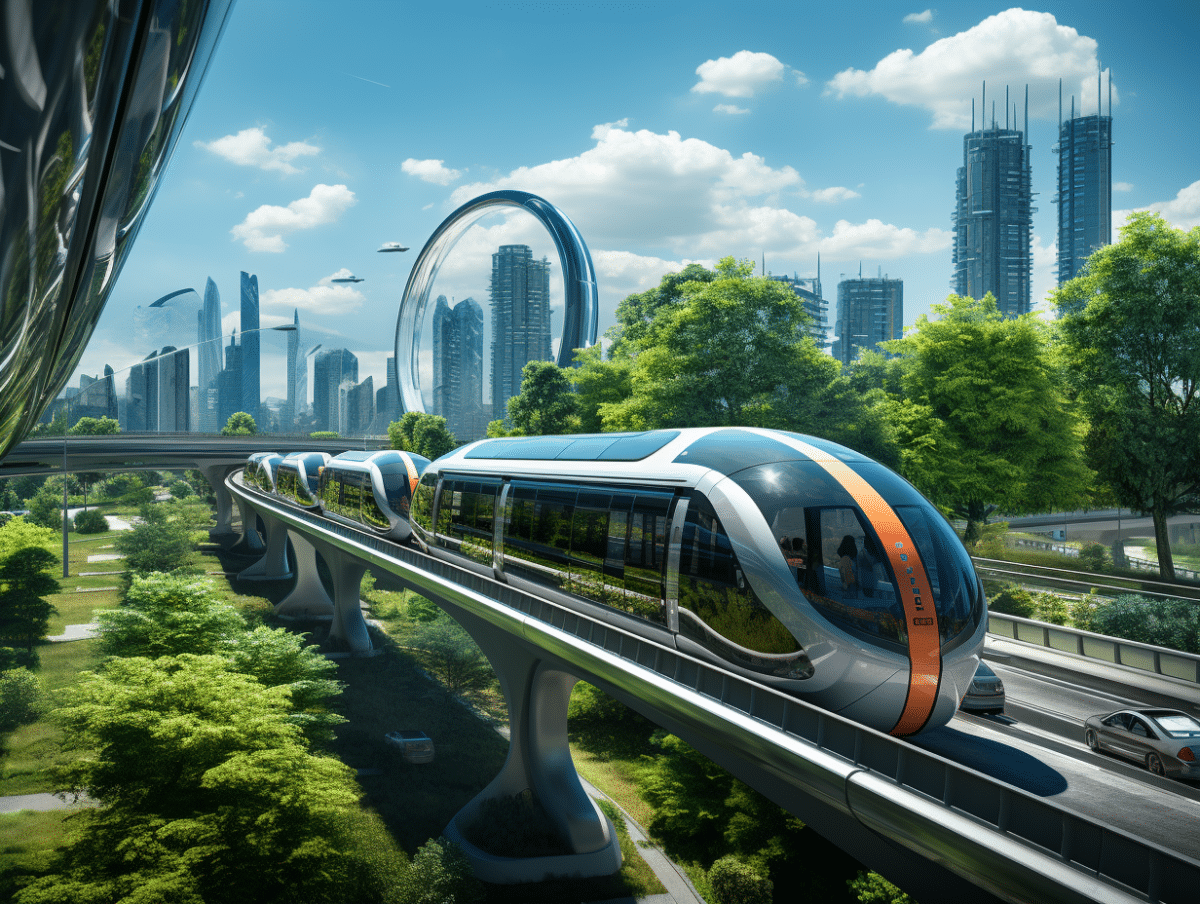
Artificial intelligence (AI) is revolutionizing the automotive industry by enhancing the driving experience and increasing vehicle safety. From advanced driver-assistance systems (ADAS) to autonomous cars, AI powers innovations that enable vehicles to perceive their environment, make intelligent decisions, and learn new skills over time. With sophisticated sensors and powerful algorithms, cars can now detect obstacles, anticipate dangers, and even communicate with other vehicles. This technology paves the way for more efficient mobility, reducing traffic jams and road accidents.
The impact of artificial intelligence on vehicle safety and efficiency
Artificial intelligence is now a crucial component in the evolution of road safety. Vehicles, once mere means of transport, are transforming into intelligent partners capable of analyzing data streams in real-time thanks to a multitude of embedded sensors. These advanced devices, coupled with sophisticated processing systems, give cars the ability to detect unforeseen events and act accordingly, thereby reducing the risk of accidents.
The autonomous car, the flagship of this technology, perfectly illustrates this significant contribution to safety. Indeed, thanks to AI, these vehicles can interpret their environment with unmatched precision and react appropriately to unforeseen situations, anticipating the actions of other drivers and pedestrians. The Motor X Club highlights the beneficial effect of these advancements, revealing a notable decrease in the number of accidents in areas where autonomous vehicles have been introduced.
Predictive maintenance is another aspect of AI’s contribution to the automotive sector. By analyzing the vehicle’s operational data, AI can prevent failures before they occur, ensuring increased durability of components and constant availability of the vehicle for its user. This represents not only a gain in terms of safety but also in terms of efficiency, avoiding unexpected and costly downtimes.
Future projections are also revealing. While in 2015, only 5 to 10% of vehicles were equipped with forms of AI, experts predict that by 2030, between 95 to 98% of vehicles could integrate AI-driven functions. This suggests a profound transformation of the driving experience, where efficiency and safety become the pillars of a decidedly modern and responsible mobility.
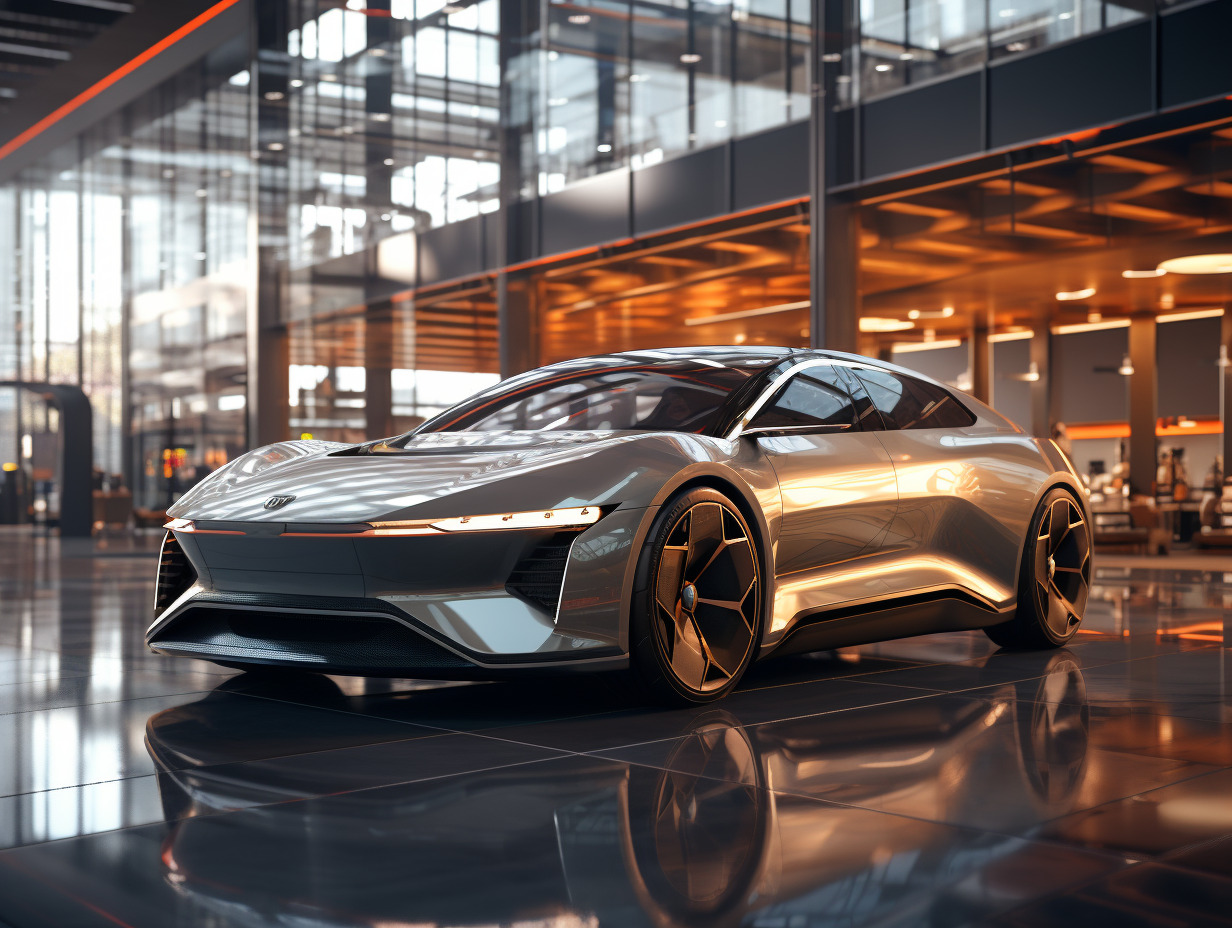
The ethical and practical challenges of integrating AI into the automotive industry
The rise of artificial intelligence in the automotive industry does not come without raising serious questions. Ethical challenges hold a prominent place in public debate, particularly regarding responsibility in the event of failures of automated systems. Who is at fault in the case of an accident involving an autonomous vehicle? The automakers, the software designers, or the users themselves? Defining an appropriate legal and ethical framework is crucial for consumer trust and acceptance of these new technologies.
Current regulations struggle to keep pace with the rapid innovations in technology. Legislators face the imperative of protecting road users while not hindering technical progress. Finding the balance between safety, innovation, and freedom of use presents a real legal puzzle. Clear and evolving standards must be established to govern the deployment of AI in vehicles, thus ensuring shared responsibility among the various stakeholders.
The customer experience is also transformed by these advancements. Consumer expectations are evolving: they now seek personalized, intuitive, and safe mobility solutions. The human-machine interaction must be smooth and reassuring. Manufacturers are therefore striving to design interfaces that facilitate the adoption of these new features by all user profiles, while ensuring a seamless transition to increasingly autonomous mobility.
Robots and AI in factories are revolutionizing automotive production. Automation improves the efficiency, flexibility, and safety of manufacturing processes. The integration of AI into assembly lines requires rethinking the skills needed for the workforce. Employee training and professional retraining become major challenges for companies that must adapt their workforce to this new industrial era.